What is a reverse distribution?
Reverse distribution is the process of moving pharmaceutical or medical products backward through the supply chain — from end users, pharmacies, or distributors back to the manufacturer, a returns processor, or a compliant disposal facility. It is used to handle expired medications, recalled products, overstocked items, and damaged goods in a legally compliant, documented manner that satisfies FDA and DEA requirements.
What does a reverse distributor do?
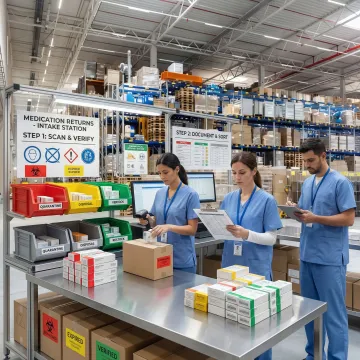
A reverse distributor manages the collection, documentation, assessment, and compliant disposition of returned pharmaceutical products. This includes issuing return authorizations, receiving and inspecting returned items, sorting products by condition and regulatory status, processing manufacturer credits, arranging compliant disposal for expired or non-resalable items, and providing full audit-ready reporting to the client throughout the entire reverse logistics process.
Which pharmaceutical products are eligible for reverse distribution?
Most pharmaceutical and medical products can enter the reverse distribution process, including expired medications, recalled products, overstock, damaged items, and products approaching their expiration date. Controlled substances require additional DEA-compliant handling. Our team evaluates each product's condition, lot number, and regulatory classification to determine the correct disposition path — whether that's restocking, credit recovery, or compliant destruction.
How does Bluebonnet ensure regulatory compliance during reverse distribution?
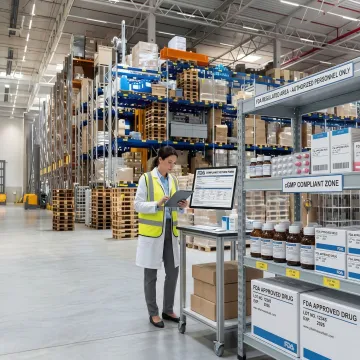
Our reverse distribution processes are built around FDA, ISO, and GMP compliance standards at every step. This includes compliant intake procedures, quarantine protocols, full chain-of-custody documentation, regulatory disposition reporting, and FDA-aligned packaging and labeling for return shipments. Clients receive a complete disposition report after each returns cycle, ensuring they remain audit-ready and fully protected under applicable federal and state pharmaceutical regulations.
How long does the reverse distribution process typically take?
Timelines vary based on the volume of returned products, the complexity of regulatory disposition required, and whether manufacturer credit processing is involved. Most standard reverse distribution cycles — from inbound receiving through final disposition reporting — are completed within 7 to 21 business days. We communicate proactively at each stage so clients always know exactly where their returned inventory stands in the process.
Do you handle the disposal of expired or recalled pharmaceutical products?
Yes. Expired, recalled, or non-resalable pharmaceutical products that cannot be returned for credit are disposed of in accordance with FDA federal guidelines and Texas state regulations. We manage the compliant destruction or disposal process and provide full documentation for your records, ensuring your business has clear evidence of proper disposal — a critical requirement for regulatory audits and DEA accountability records.
Can you process manufacturer credits for returned pharmaceutical products?
Yes. For products that qualify for manufacturer or distributor credit, we handle the documentation, sorting, and submission process on your behalf. Each eligible item is carefully catalogued with lot numbers, expiration data, and return authorization details to support accurate credit claims. Our team ensures paperwork is complete and properly submitted, helping your business recover maximum allowable credit from returned pharmaceutical inventory.
Is reverse distribution different from standard product returns processing?
Yes — significantly. Unlike standard e-commerce returns, pharmaceutical reverse distribution involves strict regulatory requirements, controlled substance protocols, chain-of-custody documentation, and compliant disposal obligations. Pharmaceutical businesses cannot simply restock returned medications without proper evaluation. Reverse distribution ensures that every returned product is handled according to FDA, DEA, and GMP standards, protecting patient safety, legal compliance, and business liability throughout the entire returns cycle.